You're ready to crush med school!
Just your email. Instant access to all 22 subjects.
Stop Studying
the Hard Way.
High-yield PDF study notes covering 22 subjects, built by medical professionals to help you study smarter, avoid burnout, and ace your exams.

Everything you need, all in one place
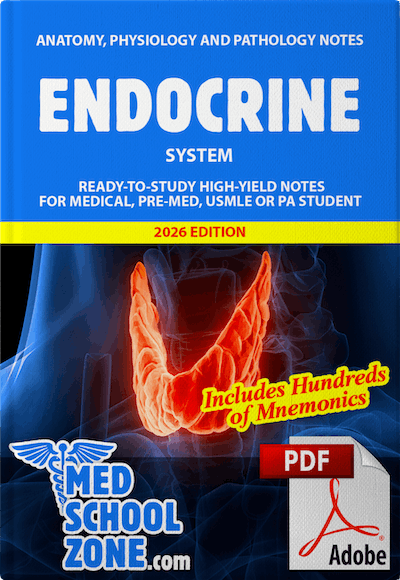
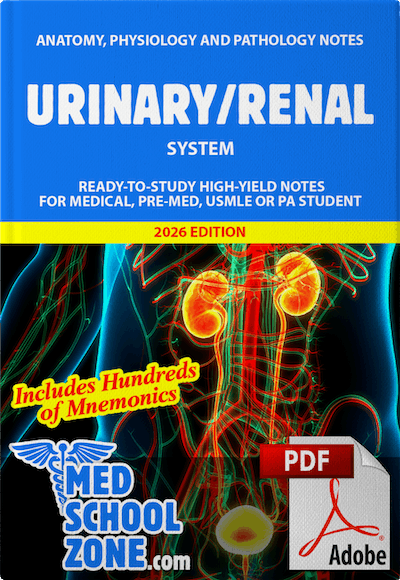
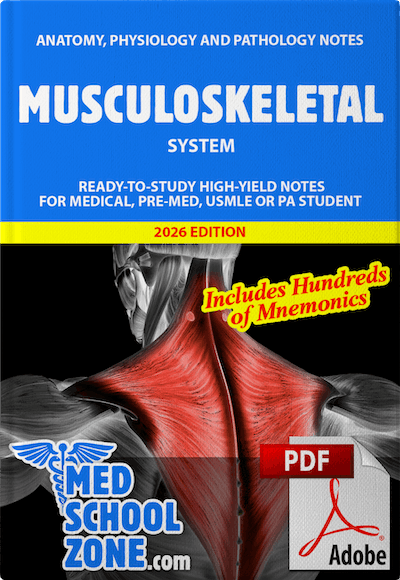
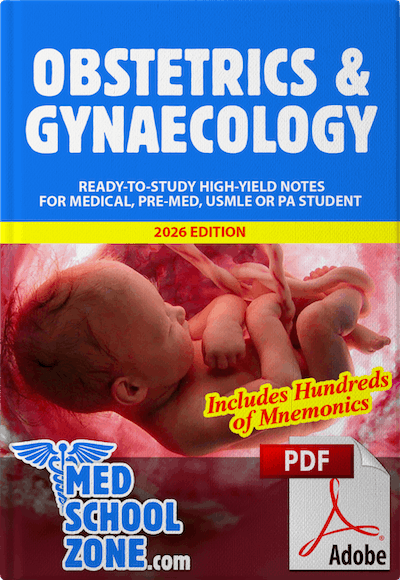
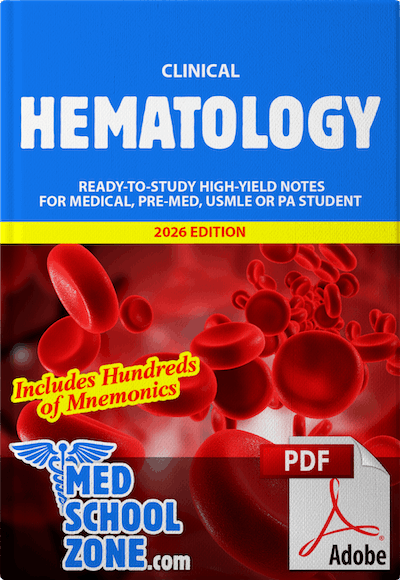
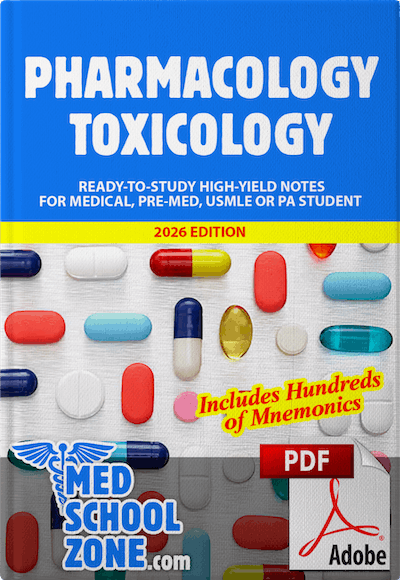
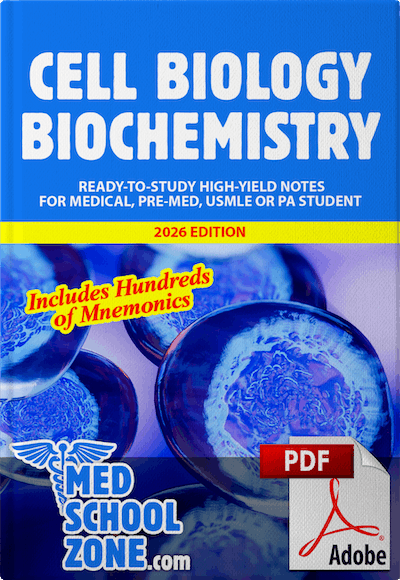
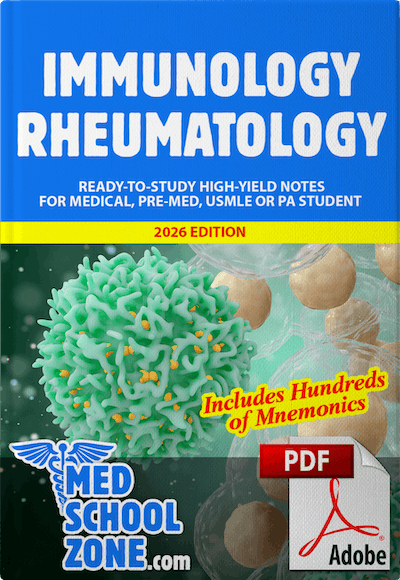
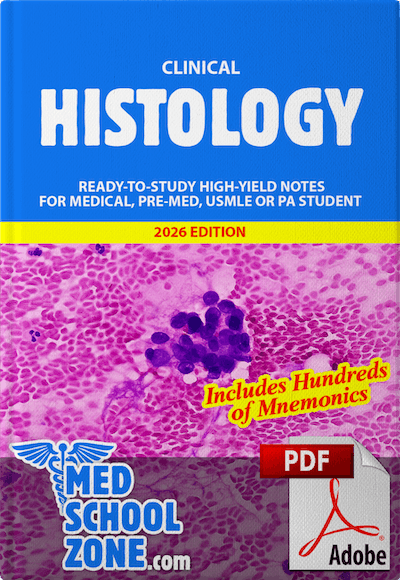
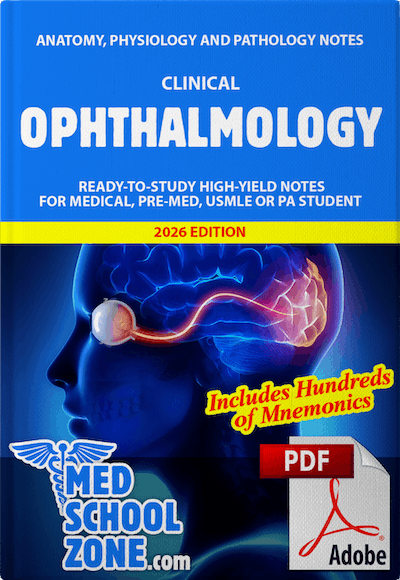
Works for your exam, wherever you study
Trusted by students preparing for the world's top medical licensing exams in 50+ countries
Built for the way you study.
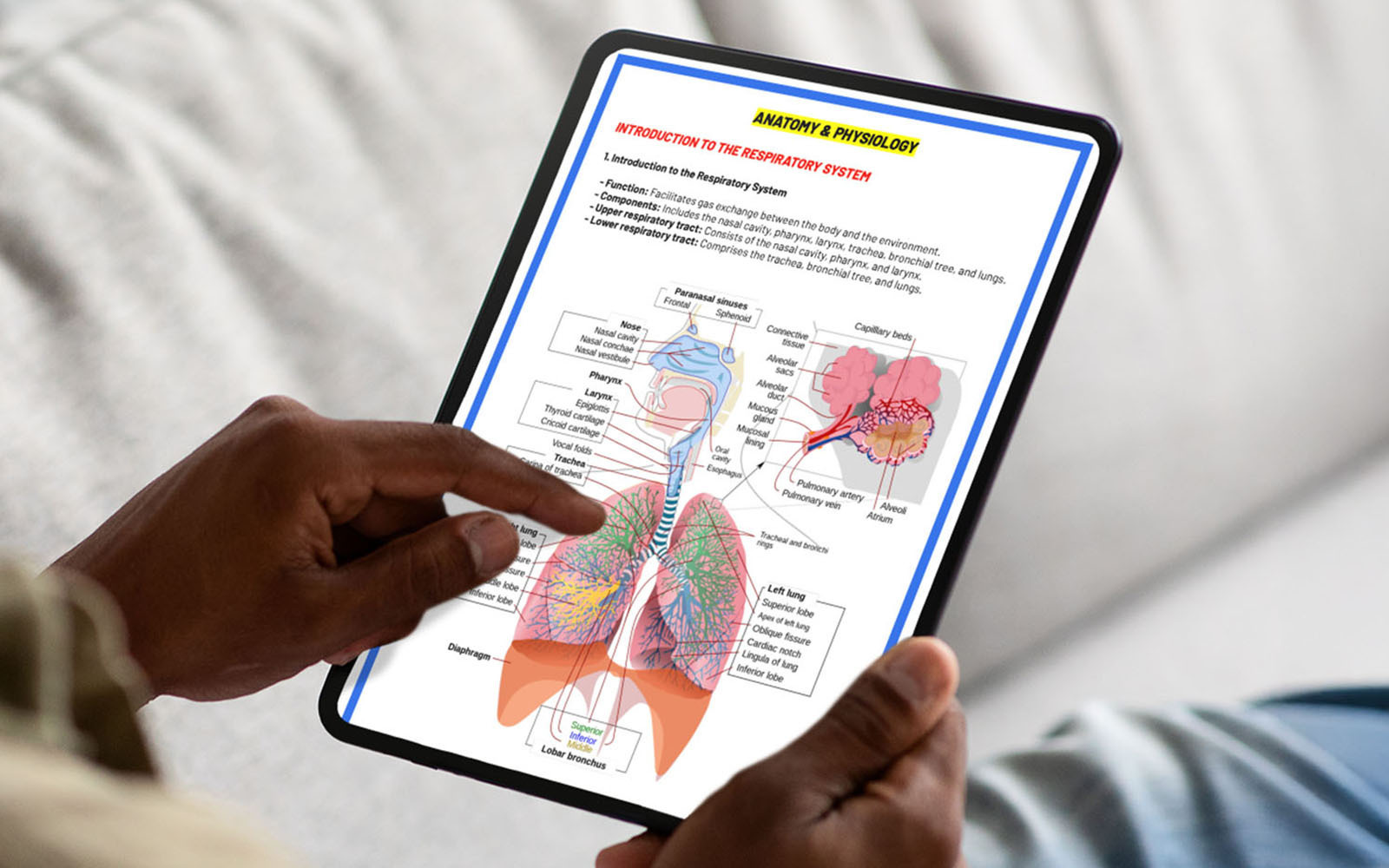
Phone on the bus. Laptop at the library. Tablet on the couch. Our notes look beautiful on every device.
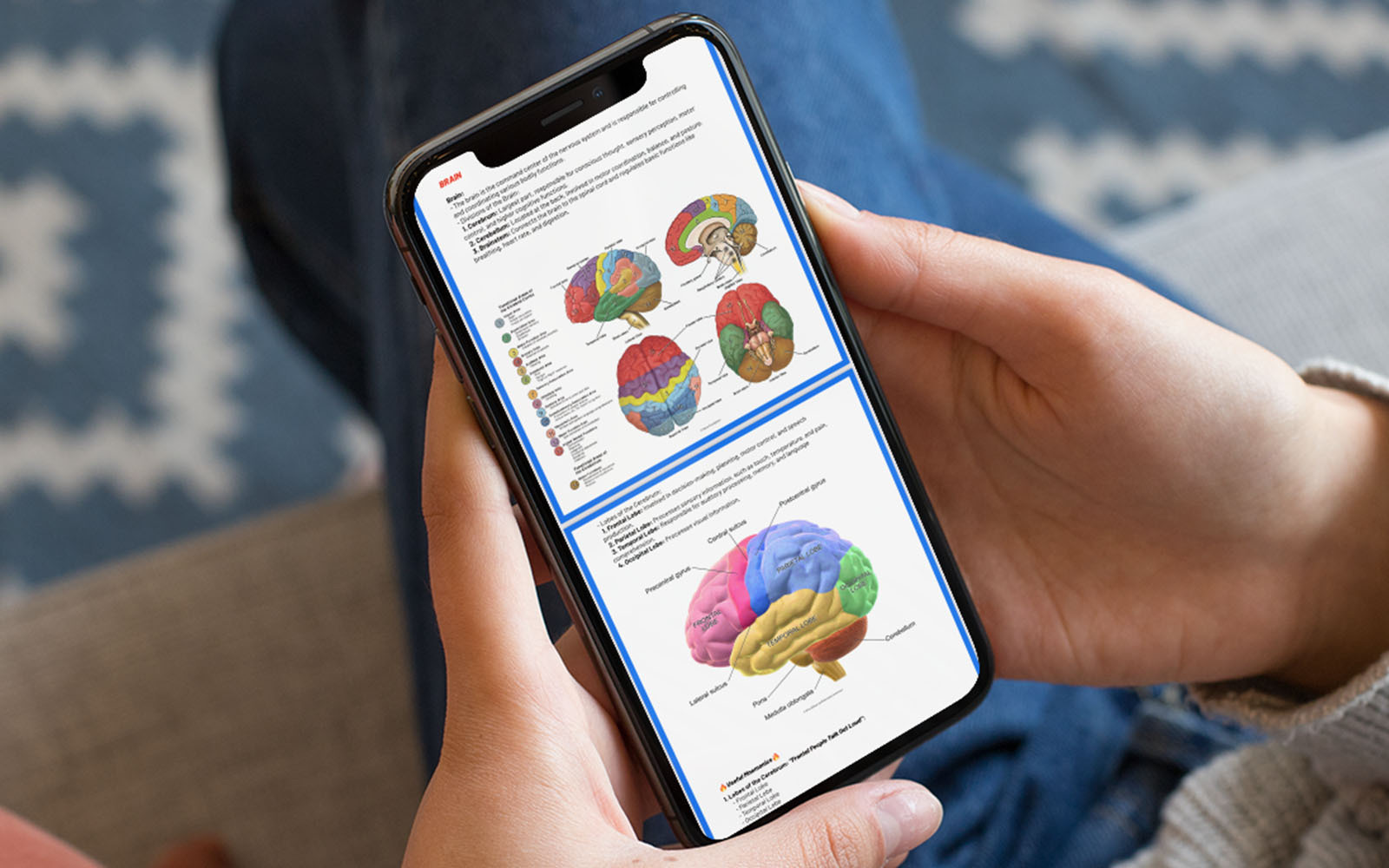
Quick reviews on the go
Squeeze in study time between lectures. Full color illustrations and mnemonics, optimized for your phone.
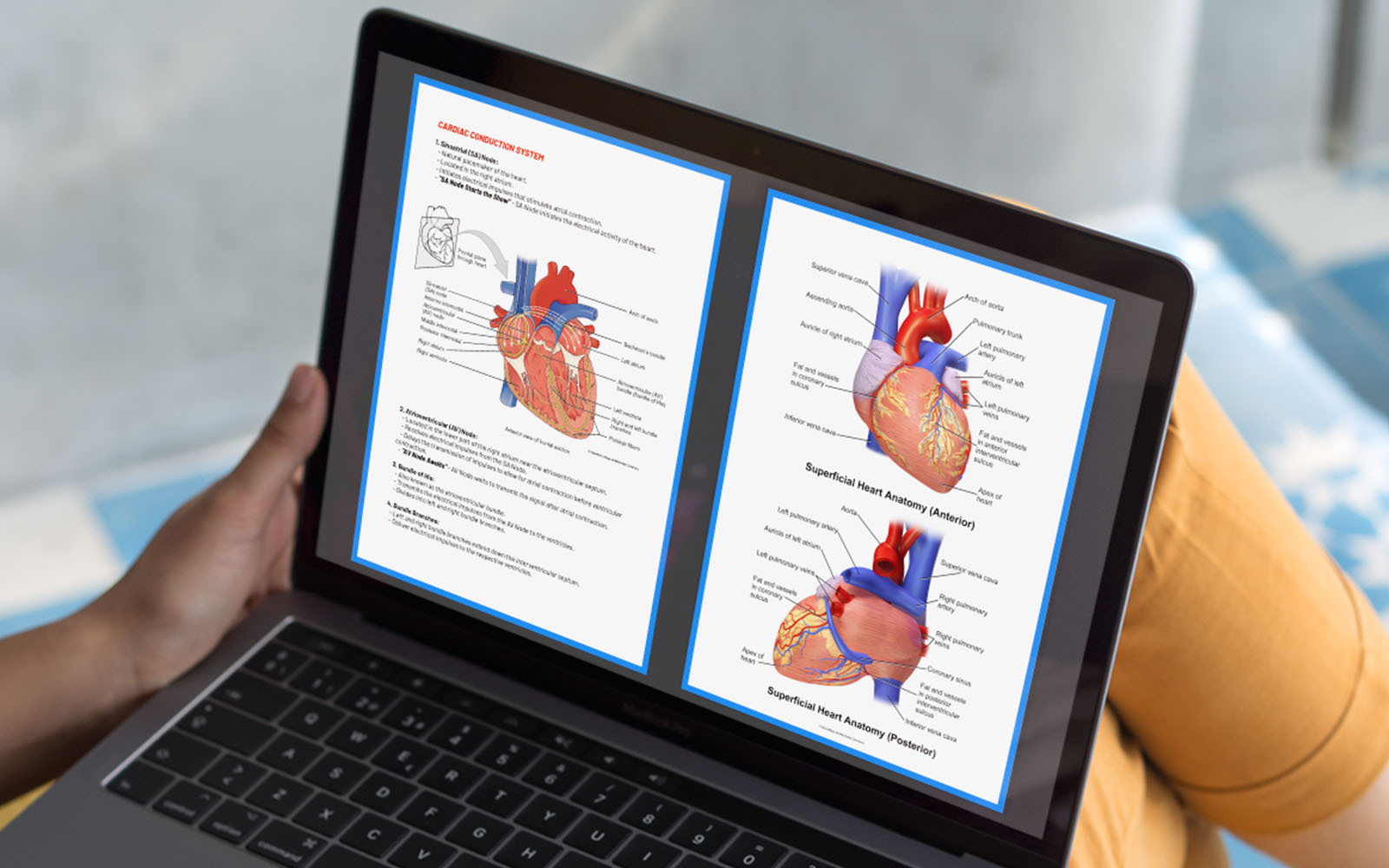
Deep focus sessions
Side-by-side pages, easy navigation, and zoomable diagrams. Perfect for long study blocks at your desk.
Annotate and highlight
Use your stylus to mark up notes, take handwritten annotations, and make the content truly yours.
Most med students are studying wrong.
You're drowning in 1,000-page textbooks, scattered notes, and 14-hour study days, and still not feeling ready. You don't need to study harder. You need to study smarter.
Everything You Need.
Nothing You Don't.
Our high-yield notes are crafted by qualified medical professionals: organized, illustrated, and packed with memory tricks so you can learn more in less time.
Cut Study Time in Half
Skip the fluff. Pure high-yield content so you learn more in less time and have a life outside of studying.
2,243+ Illustrations
Complex concepts made clear. Diagrams and process images designed specifically for exam recall.
1,423+ Mnemonics
Never forget a drug mechanism or pathology again. Our memory tricks make recall effortless.
Made by Doctors
Crafted by qualified medical professionals. Accurate, clinically relevant, and exam-focused.
Instant Download
Access everything immediately after purchase. No waiting, no shipping, no friction.
Monthly Updates, Free
Medicine evolves. Your notes evolve with it. Every update is free for life.
Print-Ready PDFs
Optimized for printing. Study on screen or on paper, whatever works best for you.
Lifetime Access
Buy once, keep forever. Refer back throughout your entire medical career.
Real pages, real quality.
Crystal-clear diagrams, color-coded mnemonics, and high-yield content on every page.


22 Subjects. One Bundle.
Tap any subject below to see exactly what's covered inside. From core fundamentals to specialized topics, we've got you covered.
Anatomy & Physiology
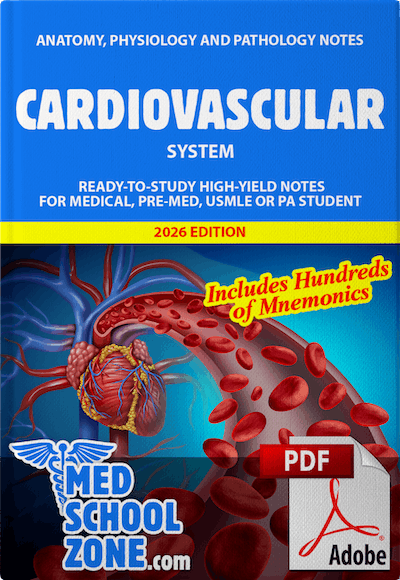
- Structure of the heart
- Chambers of the heart
- Valves of the heart
- Blood vessels: arteries, veins, and capillaries
- Circulation of blood
- Cardiac conduction system
- Cardiac cycle
- Cardiac output
- Blood composition and functions
- Regulation of blood pressure
- Coronary circulation
- Fetal circulation
Pathology
- Hypertension (high blood pressure)
- Coronary artery disease
- Myocardial infarction (heart attack)
- Heart failure
- Arrhythmias (abnormal heart rhythms)
- Atherosclerosis
- Valvular heart disease
- Congenital heart defects
- Cardiomyopathies
- Peripheral artery disease
- Deep vein thrombosis (DVT) and pulmonary embolism
- Stroke (Cerebrovascular accident)
- Aneurysms
- Hypertensive heart disease
- Rheumatic heart disease
- Endocarditis
- Pericarditis
- Cardiac tumors
- Heart transplantation
- Shock (Cardiogenic, Hypovolemic, etc.)
- Syncope (Fainting)
Anatomy & Physiology
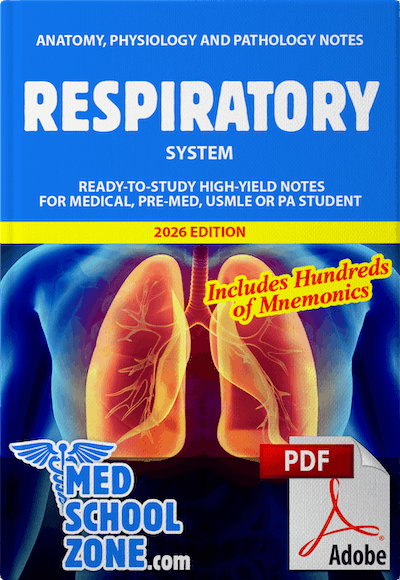
- Respiratory System
- Nasal Cavity and Paranasal Sinuses
- Pharynx and Larynx
- Trachea and Bronchial Tree
- Lungs
- Alveoli and Gas Exchange
- Mechanics of Breathing
- Respiratory Muscles
- Regulation of Respiration
- Respiratory System Development
Pathology
- Chronic Obstructive Pulmonary Disease (COPD)
- Asthma
- Bronchiectasis
- Pulmonary Fibrosis
- Pneumonia
- Tuberculosis
- Lung Cancer
- Pleural Effusion
- Pneumothorax
- Pleurisy
- Pleural Plaques
- Pulmonary Embolism
- Respiratory Failure
- Sleep Apnea
- Cystic Fibrosis
- Occupational Lung Diseases
- Pulmonary Hypertension
- Respiratory Distress Syndrome
- Congenital Anomalies of the Respiratory System
- Acute Respiratory Distress Syndrome (ARDS)
- Upper Respiratory Tract Infections
- Lower Respiratory Tract Infections
Anatomy & Physiology
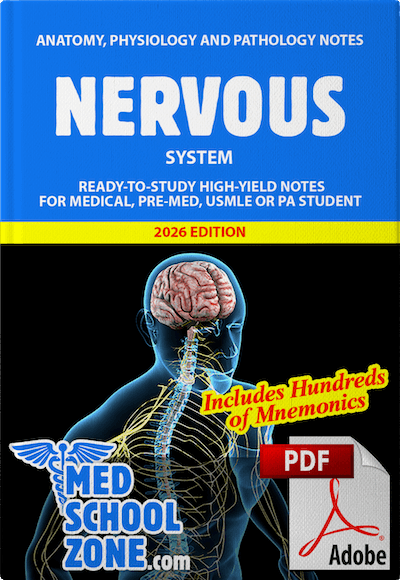
- Central Nervous System (CNS)
- Peripheral Nervous System (PNS)
- Neurons and Neuroglia
- Brain
- Spinal Cord
- Nerves
- Synapses and Neurotransmitters
- Sensory Systems
- Motor Systems
- Autonomic Nervous System
- Brainstem and Cranial Nerves
- Cerebral Cortex and Cerebral Hemispheres
Pathology
- Alzheimer's Disease
- Parkinson's Disease
- Huntington's Disease
- Amyotrophic Lateral Sclerosis (ALS)
- Stroke
- Epilepsy
- Multiple Sclerosis (MS)
- Brain Tumors
- Meningitis
- Encephalitis
- Traumatic Brain Injury (TBI)
- Spinal Cord Injury
- Peripheral Neuropathy
- Myasthenia Gravis
- Guillain-Barré Syndrome
- Autism Spectrum Disorders (ASD)
- Attention Deficit Hyperactivity Disorder (ADHD)
- Headaches and Migraines
- Neurological Infections
- Neurological Complications of Systemic Diseases
- Neurological Emergencies
- Neurorehabilitation
- Neurological Examination and Diagnostic Techniques
Anatomy & Physiology
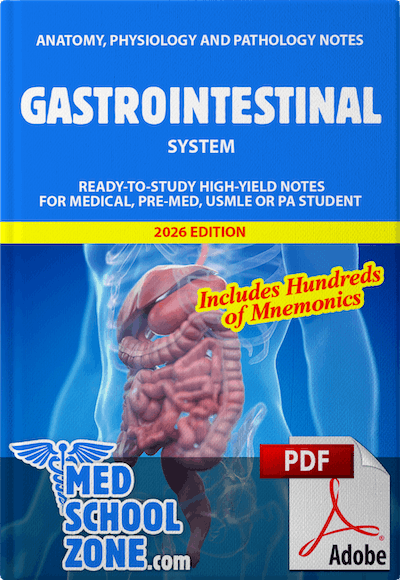
- Overview of the Gastrointestinal System
- Structure and Function of the Digestive Tract
- Oral Cavity and Salivary Glands
- Esophagus and Swallowing Mechanism
- Stomach and Gastric Secretions
- Small Intestine and Absorption Processes
- Large Intestine and Fecal Formation
- Accessory Organs: Liver, Gallbladder, and Pancreas
- Neural and Hormonal Regulation of Digestion
- Blood Supply and Lymphatic Drainage of the Gastrointestinal System
Pathology
- Gastroesophageal Reflux Disease (GERD)
- Peptic Ulcer Disease
- Gastritis
- Gastroenteritis
- Inflammatory Bowel Disease (IBD)
- Irritable Bowel Syndrome (IBS)
- Celiac Disease and Gluten Sensitivity
- Malabsorption Syndromes
- Gastrointestinal Bleeding
- Cirrhosis
- Hepatitis
- Hepatocellular Carcinoma
- Pancreatitis
- Pancreatic Cancer
- Cholelithiasis (Gallstones)
- Cholecystitis
- Choledocholithiasis
- Cholangitis
- Primary Sclerosing Cholangitis (PSC)
- Colorectal Cancer
- Polyps
- Intestinal Obstruction
- Appendicitis
- Viral Gastrointestinal Infections
- Bacterial Gastrointestinal Infections
- Parasitic Gastrointestinal Infections
- Gastroparesis
- Hirschsprung's Disease
- Diverticular Disease
- Benign Gastrointestinal Tumors
- Malignant Benign Gastrointestinal Tumors
- Gastrointestinal Endoscopy and Diagnostic Procedures
Introduction
- Definition and Overview
- Functions of the Endocrine System
- Endocrine Glands and Hormones
Anatomy
- Pituitary Gland
- Thyroid Gland
- Parathyroid Glands
- Adrenal Glands
- Pancreas and Islets of Langerhans
- Gonads (Ovaries and Testes)
Physiology
- Hormone Synthesis and Release
- Hormone Transport and Regulation
- Mechanisms of Hormone Action
- Feedback Loops in Endocrine Regulation
Pituitary Disorders
- Pituitary Adenomas
- Pituitary Hormone Deficiency
- Hyperpituitarism
- Pituitary Apoplexy
Thyroid Disorders
- Hypothyroidism
- Hyperthyroidism
- Thyroid Nodules and Goiter
- Thyroid Cancer
Parathyroid Disorders
- Primary Hyperparathyroidism
- Hypoparathyroidism
- Secondary and Tertiary Hyperparathyroidism
Adrenal Disorders
- Adrenal Insufficiency (Addison's Disease)
- Cushing's Syndrome
- Pheochromocytoma
- Conn's Syndrome (Primary Hyperaldosteronism)
Pancreatic Disorders
- Diabetes Mellitus (Type 1 and Type 2)
- Pancreatic Endocrine Tumors
- Pancreatic Exocrine Insufficiency
Gonadal Disorders
- Male Hypogonadism
- Polycystic Ovary Syndrome (PCOS)
- Menstrual Disorders and Amenorrhea
- Testicular Disorders
Calcium & Phosphate Disorders
- Hypercalcemia
- Hypocalcemia
- Disorders of Vitamin D Metabolism
- Renal Osteodystrophy
Endocrine Emergencies
- Diabetic Ketoacidosis (DKA)
- Thyroid Storm
- Adrenal Crisis
Genetic & Congenital Disorders
- Congenital Adrenal Hyperplasia (CAH)
- Multiple Endocrine Neoplasia (MEN)
- Prader-Willi Syndrome
- Turner Syndrome
Endocrine Syndromes & Tumors
- Carcinoid Syndrome
- Paraneoplastic Syndromes
- MEN Syndromes
- Neuroendocrine Tumors
Diagnostic Tools
- Hormone Assays and Laboratory Investigations
- Imaging Studies for Endocrine Disorders
- Genetic Testing in Endocrine Disorders
Treatment & Management
- Medications and Hormone Replacement Therapy
- Surgical Interventions
- Radiotherapy and Other Interventional Procedures
- Lifestyle Modifications and Patient Education
Anatomy & Physiology
- Kidneys
- Ureters
- Urinary Bladder
- Urethra
- Nephrons
- Renal Blood Supply
- Urine Formation and Filtration
- Renal Physiology
- Fluid and Electrolyte Balance
- Acid-Base Balance
- Renal Clearance
- Urinary Tract Development and Congenital Anomalies
Pathology
- Urinary Tract Infections (UTIs)
- Kidney Stones (Renal Calculi)
- Renal Failure
- Glomerular Diseases
- Urinary Incontinence
- Renal Cell Carcinoma
- Bladder Cancer
- Renal Hypertension
- Polycystic Kidney Disease
- Renal Tubular Acidosis
- Renal Cysts
- Nephrotic Syndrome
- Acute Kidney Injury
- Chronic Kidney Disease
- Urinary Obstruction
- Renal Transplantation
- Renal Biopsy and Diagnostic Techniques
- Pediatric Urinary/Renal Disorders
Anatomy & Physiology
- Skeletal System
- Bones
- Joints
- Cartilage
- Ligaments
- Muscular System
- Types of Muscles
- Muscle Structure
- Muscle Contraction
- Muscular Attachments
- Nervous System and Musculoskeletal Control
- Motor Neurons
- Neuromuscular Junction
- Muscle Innervation
- Reflexes and Muscle Control
- Blood Supply to Bones and Muscles
Pathology
- Developmental Hip Dysplasia
- Clubfoot
- Scoliosis
- Osteogenesis Imperfecta
- Traumatic Injuries
- Fractures
- Dislocations
- Sprains and Strains
- Soft Tissue Injuries
- Rheumatoid Arthritis
- Osteoarthritis
- Gout
- Ankylosing Spondylitis
- Osteomyelitis
- Septic Arthritis
- Tuberculosis of the Bone
- Osteoporosis
- Paget's Disease of Bone
- Rickets and Osteomalacia
- Fibrous Dysplasia
- Osteosarcoma
- Ewing Sarcoma
- Chondrosarcoma
- Multiple Myeloma
Introduction to Obstetrics
- Definition and Scope
- Obstetric Terminology and Concepts
- Obstetric History and Physical Examination
Reproductive Anatomy & Physiology
- Female Reproductive Organs
- Menstrual Cycle and Hormonal Regulation
- Fertilization and Implantation
- Placental Development and Function
Normal Pregnancy
- Embryology and Fetal Development
- Antenatal Care and Routine Screening
- Maternal Physiological Changes
- Diagnosis and Monitoring of Pregnancy
Antepartum Complications
- Pregnancy Risk Assessment
- Gestational Diabetes Mellitus
- Hypertensive Disorders of Pregnancy
- Antepartum Hemorrhage
- Preterm Labor and Premature Rupture of Membranes
Intrapartum Care
- Stages of Labor and Labor Progression
- Fetal Monitoring and Assessment
- Obstetric Analgesia and Anesthesia
- Assisted Vaginal Delivery and Cesarean Section
Postpartum Care
- Postpartum Physiological Changes
- Postpartum Hemorrhage and Infections
- Lactation and Breastfeeding
- Contraception and Family Planning
Obstetric Emergencies
- Shoulder Dystocia
- Umbilical Cord Prolapse
- Amniotic Fluid Embolism
- Ectopic Pregnancy
- Placental Abruption
Medical Disorders in Pregnancy
- Diabetes Mellitus and Pregnancy
- Thyroid Disorders in Pregnancy
- Cardiac Diseases in Pregnancy
- Renal and Liver Disorders in Pregnancy
Fetal Medicine & Neonatology
- Prenatal Diagnosis and Genetic Counseling
- Fetal Growth Restriction and Macrosomia
- Neonatal Resuscitation and Newborn Care
- Neonatal Infections and Complications
Ethics & Legal Issues
- Maternal-Fetal Conflict
- Informed Consent and Patient Autonomy
- Obstetric Malpractice and Negligence
Introduction to Haematology
- Overview of the haematological system
- Blood composition and functions
- Haematopoiesis: formation of blood cells
Red Blood Cell Disorders
- Anaemia types and classifications
- Iron deficiency anaemia
- Vitamin B12 and folate deficiency anaemia
- Haemolytic anaemias
- Sickle cell disease
- Thalassemias
White Blood Cell Disorders
- Leukopenia and leukocytosis
- Leukemia: acute and chronic types
- Lymphomas
- Myeloproliferative disorders
Platelet & Coagulation Disorders
- Thrombocytopenia and thrombocytosis
- Bleeding disorders: von Willebrand disease, haemophilia
- Disseminated intravascular coagulation (DIC)
- Thrombosis: DVT, PE
Transfusion Medicine
- Blood transfusion principles and compatibility
- Transfusion reactions and complications
Haemostasis & Coagulation
- Physiology of haemostasis
- Intrinsic and extrinsic pathways
- Coagulation factors and their role
- Anticoagulant and antiplatelet therapies
Bone Marrow & Lymphatic
- Bone marrow examination and interpretation
- Lymphatic system anatomy and functions
- Lymphadenopathy: causes and evaluation
Haematological Oncology
- Principles of cancer and oncogenesis
- Myelodysplastic syndromes (MDS)
- Myeloproliferative neoplasms (MPN)
- Diagnosis and management of haematological malignancies
Investigations
- Complete blood count (CBC) interpretation
- Peripheral blood smear examination
- Bone marrow aspiration and biopsy
- Coagulation tests and interpretation
Haemoglobinopathies & Thalassemias
- Molecular basis of haemoglobinopathies
- Alpha and beta thalassemias
- Diagnosis and management of thalassemias
Bleeding Disorders
- Haemophilia A and B: genetics and pathophysiology
- Clinical manifestations and management
- Von Willebrand disease: types and treatment
Disorders in Pregnancy
- Physiological changes in haematological system during pregnancy
- Gestational thrombocytopenia
- Preeclampsia and HELLP syndrome
- Management of haematological disorders in pregnancy
Introduction
- Overview of Pharmacology
- Overview of Toxicology
Pharmacokinetics
- Absorption, Distribution, Metabolism, and Excretion (ADME)
- Drug Clearance
- Pharmacokinetic Models
Pharmacodynamics
- Drug Receptors and Mechanisms of Action
- Dose-Response Relationships
- Drug Interactions
Drug Classes & Therapeutic Uses
- Autonomic Nervous System Drugs
- Cardiovascular Drugs
- Central Nervous System Drugs
- Endocrine System Drugs
- Anti-Infective Drugs
- Gastrointestinal Drugs
- Respiratory System Drugs
Adverse Reactions & Toxicology
- Types of Adverse Drug Reactions
- Drug Allergies and Hypersensitivity Reactions
- Drug-Drug Interactions
- Drug Toxicity and Overdose
Clinical Pharmacology
- Pharmacotherapy and Rational Drug Use
- Pharmacogenetics and Personalized Medicine
- Drug Development and Clinical Trials
- Pharmacovigilance and Drug Safety
Special Topics
- Pediatric Pharmacology
- Geriatric Pharmacology
- Pharmacology of Addiction and Substance Abuse
Introduction to Cell Biology
- Cell structure and function
- Cell organelles
- Cell membrane and transport mechanisms
- Cell division and replication
Biomolecules
- Proteins
- Amino acids and peptide bonds
- Protein structure and folding
- Enzymes and enzyme kinetics
- Nucleic acids
- DNA structure and replication
- RNA synthesis and processing
- Protein synthesis
- Carbohydrates
- Glycolysis and gluconeogenesis
- Glycogen metabolism
- Lipids
- Fatty acids and triglycerides
- Membrane structure and lipid bilayers
- Lipid metabolism and signaling
Metabolism & Energy Production
- Introduction to metabolism
- Glycolysis and the citric acid cycle
- Electron transport chain and oxidative phosphorylation
- Lipid metabolism (beta-oxidation and ketogenesis)
- Amino acid metabolism and urea cycle
- Regulation of metabolism and metabolic disorders
Cellular Signaling
- Signal transduction pathways
- Receptors and second messengers
- Protein kinases and phosphatases
- Cell cycle regulation and checkpoints
- Apoptosis and cell death
Genetics & Molecular Biology
- Mendelian genetics and inheritance patterns
- Chromosomal abnormalities and genetic diseases
- DNA replication, repair, and recombination
- Gene expression and regulation
- Molecular techniques (PCR, DNA sequencing, etc.)
Biochemical Techniques
- Spectroscopy (UV-Vis, IR, NMR)
- Chromatography (HPLC, GC)
- Electrophoresis and gel-based techniques
- Mass spectrometry and proteomics
- Enzyme assays and kinetics
Cell Cycle & Cell Division
- Phases of the cell cycle
- Cell cycle regulation and checkpoints
- Mitosis and meiosis
- Cell cycle abnormalities and cancer
Cell Communication
- Cellular communication and signal transmission
- Receptors and signaling molecules
- Intracellular signaling pathways
- Signal amplification and integration
- Developmental signaling and morphogenesis
Membrane Transport
- Membrane structure and function
- Membrane transport mechanisms
- Endocytosis and exocytosis
- Intracellular compartments
Molecular Basis of Disease
- Genetic disorders and inherited diseases
- Metabolic disorders
- Cancer biology and oncogenes
- Infectious diseases (viral and bacterial)
Immunology
- Introduction to Immunology
- Components of the Immune System
- Innate Immunity
- Adaptive Immunity
- Antigens and Antibodies
- Major Histocompatibility Complex (MHC)
- T Cells and B Cells
- Antibody Structure and Function
- Immunoglobulin Classes and Subclasses
- Complement System
- Cytokines and Chemokines
- Cell-Mediated Immunity
- Humoral Immunity
- Immunological Memory
- Hypersensitivity Reactions
- Autoimmunity
Rheumatology
- Rheumatology: Introduction and Overview
- Rheumatoid Arthritis
- Systemic Lupus Erythematosus
- Psoriatic Arthritis
- Ankylosing Spondylitis
- Reactive Arthritis
- Osteoarthritis
- Gout
- Pseudogout
- Vasculitis
- Sjögren's Syndrome
- Scleroderma
- Myositis
- Systemic Vasculitides
- Juvenile Idiopathic Arthritis
- Rheumatologic Manifestations of Systemic Diseases
- Inflammatory Bowel Disease and Arthritis
- Infection-Related Arthritis
- Crystal-Induced Arthropathies
- Rheumatologic Emergencies
- Pharmacotherapy in Rheumatology
- Immunodeficiency Disorders
- HIV and Immunology
- Transplant Immunology
- Immunotherapy and Biologics
Introduction
- Overview of Emergency Medicine
- Common Presentations and Triage
- Essential Communication Skills
Airway & Respiratory
- Basic and Advanced Airway Management
- Acute Respiratory Distress Syndrome (ARDS)
- Asthma and COPD Exacerbations
- Pneumothorax and Pleural Effusion
Cardiac Emergencies
- Acute Coronary Syndrome (ACS) and Myocardial Infarction
- Cardiac Arrhythmias and Their Management
- Heart Failure and Pulmonary Edema
- Cardiac Arrest Resuscitation and Defibrillation
Trauma & Orthopedic
- Evaluation and Management of Trauma Patients
- Fracture Types, Splinting, and Casting
- Joint Dislocations and Reduction Techniques
- Head Trauma and Concussion
Neurologic Emergencies
- Stroke Recognition and Management
- Seizure Disorders and Status Epilepticus
- Meningitis and Encephalitis
- Headache Emergencies
Gastrointestinal Emergencies
- Acute Abdominal Pain
- Gastrointestinal Bleeding and Peptic Ulcer Disease
- Appendicitis and Diverticulitis
- Bowel Obstruction and Perforation
Sepsis & Infectious
- Sepsis Recognition and Early Management
- Common Infectious Conditions
- Soft Tissue Infections
- STIs and HIV-related Emergencies
Toxicology
- Drug Overdoses and Poisoning
- Opioid Crisis
- Alcohol Withdrawal Syndrome
- Substance Abuse Disorders
Pediatric Emergencies
- Pediatric Resuscitation and Critical Care
- Pediatric Fever and Febrile Seizures
- Pediatric Respiratory Distress
- Pediatric Dehydration and Gastroenteritis
Obstetric & Gynecologic
- Obstetric Emergencies
- Gynecologic Emergencies
- Sexual Assault and Forensic Evidence Collection
Psychiatric Emergencies
- Suicide Risk Assessment and Crisis Intervention
- Acute Agitation and De-escalation Techniques
- Substance-Induced Psychiatric Disorders
Environmental & Wilderness
- Heat and Cold-related Illnesses
- Altitude Sickness and HAPE
- Wilderness First Aid and Survival Skills
Procedural Skills
- Suturing and Wound Closure Techniques
- Basic Splinting and Casting
- Lumbar Puncture (LP)
- Arterial Blood Gas (ABG) Interpretation
Ethics & Legal
- Informed Consent and Capacity Assessment
- Confidentiality and Privacy Issues
- End-of-Life Care and Advanced Directives
Introduction
- Definition of Mental Health
- Scope of Psychiatry in Medicine
- Importance of Mental Health in Patient Care
Neuroscience
- Basic Neuroanatomy and Neurophysiology
- Neurotransmitters and their Role in Mental Health
- Neural Circuits and Mental Disorders
Psychiatric Disorders
- Depressive Disorders
- Anxiety Disorders
- Bipolar Disorders
- Schizophrenia Spectrum Disorders
- Personality Disorders
- Substance Use Disorders
- Obsessive-Compulsive and Related Disorders
- Trauma- and Stressor-Related Disorders
- Dissociative Disorders
- Alzheimer's disease
- Dementia
- Sleep-Wake Disorders
- ADHD
- Autism Spectrum Disorder (ASD)
- Feeding and Eating Disorders
- Sexual Dysfunctions
- Gender Dysphoria
- Somatic Symptom and Related Disorders
- Paraphilic Disorders
- Disruptive, Impulse-Control, and Conduct Disorders
- Tic Disorders (Tourette's syndrome)
- Enuresis Disorder
- Encopresis Disorder
- Late-Life Depression
Assessment & Evaluation
- Psychiatric History Taking
- Mental Status Examination
- Diagnostic Formulation and Differential Diagnosis
Treatment Modalities
- Psychopharmacology
- Psychotherapy Approaches
- Psychosocial Rehabilitation
Emergencies & Crisis
- Acute Suicidal Crisis
- Agitation and Violence
- Substance-Induced Psychiatric Emergencies
Introduction
- Purpose and Importance
- Ethical Considerations
- Types of Clinical Investigations
Research Methods
- Observational Studies
- Experimental Studies
- Cross-Sectional Studies
- Case-Control Studies
- Cohort Studies
- Randomized Controlled Trials (RCTs)
- Systematic Reviews and Meta-analyses
Biostatistics
- Descriptive Statistics
- Measures of Central Tendency and Dispersion
- Hypothesis Testing and Confidence Intervals
- P-values and Significance Testing
- Sample Size and Power Calculation
- Regression Analysis
- Survival Analysis
Diagnostic Tests
- Sensitivity, Specificity, and Predictive Values
- Receiver Operating Characteristic (ROC) Curve
- Likelihood Ratios and Diagnostic Odds Ratio
- Bayes' Theorem in Diagnostic Testing
- Interpreting Test Results
Screening & Prevention
- Principles of Screening
- Types of Screening Tests
- Evaluating Screening Programs
- Benefits and Harms of Screening
- Primary, Secondary, and Tertiary Prevention
Clinical Trials
- Phases of Clinical Trials
- Informed Consent and Patient Recruitment
- Randomization and Blinding
- Data Collection and Monitoring
- Adverse Events and Safety Reporting
- Publication Bias and Reporting Guidelines
Evidence-Based Medicine
- Levels of Evidence
- Critical Appraisal of Medical Literature
- Guidelines and Practice Recommendations
- Shared Decision-Making and Patient Preferences
Lab Investigations
- Hematology and Coagulation Studies
- Biochemical Markers and Serum Tests
- Microbiology and Serology Tests
- Imaging and Radiology Investigations
- Genetic and Molecular Testing
Imaging Studies
- Radiography and X-ray Interpretation
- Computed Tomography (CT) Scans
- Magnetic Resonance Imaging (MRI)
- Ultrasonography and Doppler Studies
- Nuclear Medicine and PET
Communication
- Medical Report Writing
- Effective Presentation of Findings
- Ethical and Legal Considerations
Introduction to Clinical Skills
- Introduction to Physical Examination
- Importance of Clinical Skills in Medical Practice
- Ethical Considerations in Clinical Examinations
General Clinical Skills
- Communication Skills with Patients
- Medical History Taking
- Clinical Documentation and Record-Keeping
- Informed Consent and Shared Decision Making
Physical Examination Techniques
- Vital Signs Assessment
- Inspection, Palpation, Percussion, and Auscultation
- Neurological Examination
- Cardiovascular Examination
- Respiratory Examination
- Gastrointestinal Examination
- Musculoskeletal Examination
- Genitourinary Examination
- Dermatological Examination
Clinical Procedures
- Venipuncture and Intravenous Access
- Urinary Catheterization
- Wound Care and Dressing
- Basic Suturing Techniques
- Chest Tube Insertion
- Lumbar Puncture
- Arterial Blood Gas Sampling
- Basic Life Support (BLS) and CPR
- Advanced Cardiac Life Support (ACLS)
Diagnostic Tests
- Interpretation of Laboratory Test Results
- Radiological Imaging Interpretation
- Electrocardiogram (ECG) Interpretation
- Pulmonary Function Testing
- Point-of-Care Ultrasound (POCUS)
- Endoscopy and Colonoscopy
Specialized Areas
- Obstetric and Gynecological Examinations
- Pediatric Clinical Skills
- Geriatric Clinical Skills
- Psychiatric Clinical Skills
- Surgical Clinical Skills
- Emergency Medicine Clinical Skills
Specialty Examinations
- Internal Medicine
- Pediatrics
- Obstetrics and Gynecology
- Surgery
- Psychiatry
- Family Medicine
- Radiology
- Anesthesiology
- Cardiology
- Neurology
- Oncology
- Orthopedics
Professionalism & Ethics
- Professional Conduct and Ethical Principles
- Patient Confidentiality and Privacy
- Medical Error Disclosure and Apology
- Cultural Competence in Healthcare
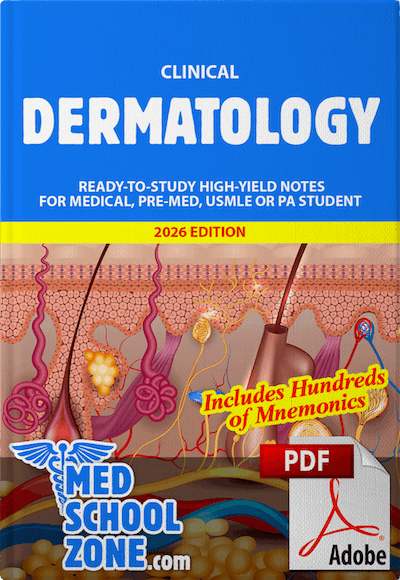
Introduction
- Definition and Scope of Dermatology
- Structure and Functions of the Skin
- Terminology and Nomenclature in Dermatology
Skin Anatomy
- Layers of the Skin
- Epidermis
- Dermis
- Hypodermis
- Hair, Nails, and Glands
Physiology of the Skin
- Skin Barrier Function
- Regulation of Temperature and Sensation
- Melanogenesis and Pigmentation
- Wound Healing and Skin Repair
Histopathology
- Introduction to Skin Biopsy
- Normal Histology of the Skin
- Common Skin Lesions and Histopathological Features
Dermatological Examination
- History Taking in Dermatology
- Dermatological Examination Techniques
- Use of Dermatological Instruments and Tools
Systemic Disease Manifestations
- Skin Signs in Infectious Diseases
- Cutaneous Manifestations of Autoimmune Disorders
- Skin Involvement in Connective Tissue Diseases
Dermatological Infections
- Bacterial Skin Infections
- Viral Skin Infections
- Fungal Skin Infections
- Parasitic Skin Infections
Inflammatory Disorders
- Dermatitis and Eczematous Disorders
- Psoriasis and Other Papulosquamous Disorders
- Acne and Rosacea
- Urticaria and Angioedema
Neoplastic Disorders
- Benign Skin Tumors
- Malignant Skin Tumors
- Melanoma and Other Skin Cancers
Pediatric Dermatology
- Common Dermatological Conditions in Children
- Neonatal Dermatology
- Genetic Skin Disorders
Procedures & Therapeutics
- Skin Biopsy Techniques
- Dermatological Procedures and Surgical Techniques
- Topical and Systemic Therapies
- Cosmetic Dermatology Procedures
Emergencies
- Stevens-Johnson Syndrome and Toxic Epidermal Necrolysis
- Drug Reactions and Dermatologic Emergencies
- Dermatological Manifestations of Life-Threatening Conditions
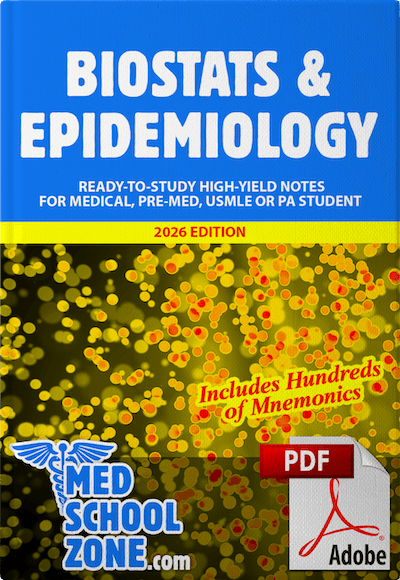
Introduction
- Overview of Biostatistics
- Overview of Epidemiology
- Importance in Medicine
Study Design & Sampling
- Types of Study Designs
- Randomization and Control Groups
- Sampling Techniques
- Bias and Confounding
Data & Descriptive Stats
- Data Collection Methods
- Variables and Data Types
- Measures of Central Tendency
- Measures of Dispersion
- Graphical Representation
Probability
- Basic Concepts of Probability
- Probability Distributions
- Sampling Distribution and Central Limit Theorem
Hypothesis Testing
- Null and Alternative Hypotheses
- Types of Errors
- p-Values and Significance Levels
- Confidence Intervals
Categorical Data Analysis
- Chi-Square Test for Independence
- Odds Ratios and Risk Ratios
- Case-Control Studies and Cohort Studies
Continuous Data Analysis
- t-Tests
- Analysis of Variance (ANOVA)
- Regression Analysis
Survival Analysis
- Kaplan-Meier Survival Curves
- Log-Rank Test
- Cox Proportional Hazards Model
Epidemiological Designs
- Cross-sectional Studies
- Case-Control Studies
- Cohort Studies
- Randomized Controlled Trials
- Systematic Reviews and Meta-analysis
Disease Frequency
- Incidence and Prevalence
- Relative Risk and Odds Ratio
- Attributable Risk
Validity & Bias
- Selection Bias
- Information Bias
- Confounding and Effect Modification
- Validity and Reliability
Screening & Diagnostics
- Sensitivity and Specificity
- Predictive Values
- ROC Curve
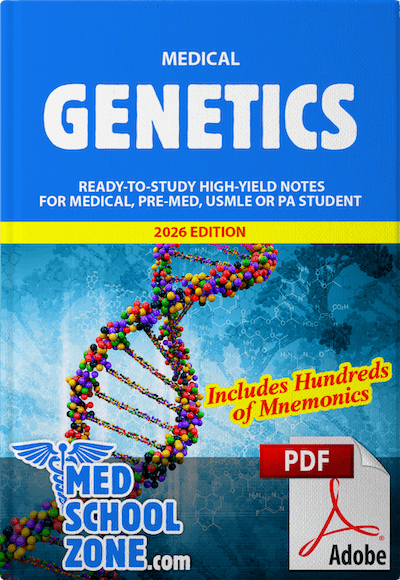
Introduction
- Principles of Mendelian Genetics
- Genetic Variation and Polymorphisms
Human Genetics
- Chromosomes and Chromosomal Abnormalities
- Genes and Genetic Mutations
- Inheritance Patterns and Pedigree Analysis
- Genetic Testing and Diagnosis
Autosomal Recessive Disorders
- Cystic Fibrosis
- Phenylketonuria (PKU)
- Tay-Sachs Disease
- Sickle Cell Anemia
- Hemochromatosis
Autosomal Dominant Disorders
- Huntington's Disease
- Marfan Syndrome
- Neurofibromatosis
- Polycystic Kidney Disease
- Familial Hypercholesterolemia
Chromosomal Disorders
- Down Syndrome (Trisomy 21)
- Turner Syndrome (Monosomy X)
- Klinefelter Syndrome (XXY)
- Cri du Chat Syndrome
- Prader-Willi Syndrome
X-Linked Disorders
- Duchenne Muscular Dystrophy
- Hemophilia
- Fragile X Syndrome
- Color Blindness
- Androgen Insensitivity Syndrome
Tumorigenesis & Cancer
- Cell Cycle and Control of Cell Proliferation
- Oncogenes and Tumor Suppressor Genes
- DNA Damage and Repair Mechanisms
- Carcinogenesis and Risk Factors
- Molecular Biology of Cancer
Oncology
- Types of Cancer and Classification
- Diagnostic Modalities
- Staging and Grading of Cancer
- Treatment Modalities
- Palliative Care and Supportive Therapies
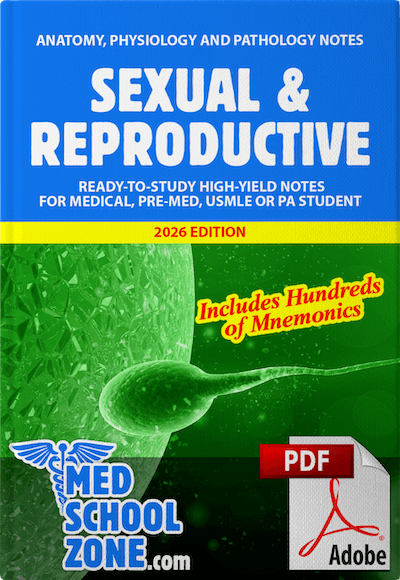
Anatomy & Physiology
- Male Reproductive System
- Female Reproductive System
- Menstrual Cycle
- Fertilization and Implantation
- Pregnancy and Embryonic Development
- Hormonal Regulation
Sexually Transmitted Infections
- HIV
- AIDS
- Gonorrhea
- Syphilis
- Chlamydia
- Genital Herpes
- Human Papillomavirus (HPV)
Reproductive Disorders
- Endometriosis
- Polycystic Ovary Syndrome (PCOS)
- Uterine Fibroids
- Pelvic Inflammatory Disease (PID)
- Ovarian Cysts
Pregnancy Complications
- Ectopic Pregnancy
- Miscarriage
- Gestational Diabetes
- Pre-eclampsia
- Placenta Previa
Infertility & ART
- Causes of Infertility
- In vitro Fertilization (IVF)
- Intracytoplasmic Sperm Injection (ICSI)
- Gamete Intrafallopian Transfer (GIFT)
- Zygote Intrafallopian Transfer (ZIFT)
Sexual Dysfunction
- Erectile Dysfunction
- Premature Ejaculation
- Female Sexual Dysfunction
- Hypoactive Sexual Desire Disorder
Contraception & Family Planning
- Barrier Methods
- Hormonal Methods
- Intrauterine Devices (IUDs)
- Emergency Contraception
- Sterilization Techniques
Introduction
- Definition and Importance of Clinical Histology
- Tools and Techniques in Histology
- Tissues and Cells in the Human Body
- Epithelial Tissues
Epithelial Tissues
- Functions and Locations of Epithelial Tissues
- Microscopic Features of Epithelial Cells
Connective Tissues
- Types of Connective Tissues
- Functions and Locations
- Histological Characteristics
Muscle Tissues
- Types of Muscle Tissues
- Structure and Function of Muscle Cells
- Histology of Skeletal, Smooth, and Cardiac Muscles
Nervous Tissues
- Neurons and Glial Cells
- Structure of Neurons
- Nerve Tissue Organization
Skin & Integumentary System
- Layers of the Skin
- Hair, Nails, and Glands
- Functions and Histology
Organ Histology
- Histology of the Respiratory System
- Histology of the Digestive System
- Histology of the Cardiovascular System
- Histology of the Urinary System
- Histology of the Reproductive System
- Histology of the Endocrine System
Pathological Histology
- Introduction to Pathological Histology
- Common Histopathological Findings
- Histological Changes in Disease
Laboratory Techniques
- Tissue Preparation and Staining
- Microscopy in Histology
- Digital Histology and Imaging
Clinical Applications
- Role of Histology in Diagnosis
- Histology in Surgical Pathology
- Histology in Research and Medical Advancements
Anatomy & Physiology
- Anatomy of the Eye
- Physiology of Vision
- Structure and Function of the Eyelids
- Tear Film and Lacrimal System
- Optics and Refraction
- Ocular Motility and Binocular Vision
Pathology
- Myopia
- Hyperopia
- Astigmatism
- Presbyopia
- Cataracts
- Glaucoma
- Age-Related Macular Degeneration (AMD)
- Diabetic Retinopathy
- Retinal Detachment
- Keratitis
- Corneal Ulcers
- Uveitis
- Conjunctivitis (Pink Eye)
- Blepharitis
- Strabismus
- Amblyopia (Lazy Eye)
- Ocular Tumors
- Ocular Trauma
- Optic Neuritis
- Ischemic Optic Neuropathy
- Third Nerve Palsy
Mnemonics that actually stick.
A small peek at what's inside. These are the kind of memory tricks that turn 40-page topics into something you remember the moment you need it.
Just 8 out of 1,423+ mnemonics inside the bundle. Every subject has its own set.
Get These FREE Bonuses Today
Order now and unlock 4 extra resources to supercharge your studying. Total value: $97. Yours free.
USMLE High-Yield Cheat Sheet
A condensed 20-page cheat sheet with the most-tested topics, formulas, and concepts that show up on Step 1.
90-Day Study Schedule Template
A proven study plan template you can customize for any exam. Built around spaced repetition and active recall.
500+ Anatomy Flashcards
Printable flashcard set covering all major body systems. Perfect for quick review sessions on the go.
Priority Email Support
Get questions answered fast. Direct line to our team for any clarifications, study advice, or content requests.
Why students choose MedSchoolZone.
See how we stack up against other popular medical study resources.
Feature | MedSchoolZone | Other Big Names | Traditional Textbooks |
|---|---|---|---|
Total cost | $29 | $300+/year | $300+/book |
All 22 subjects covered | Partial | ||
High-yield illustrations | 2,243+ | Some | Limited |
Memory mnemonics | 1,423+ | ||
Lifetime access | |||
Free monthly updates | Sometimes | ||
Works offline | |||
Print-ready PDFs | |||
Multi-device access | |||
Money-back guarantee | 30 days | Varies |
One Textbook Costs More Than Our Entire 22-Subject Bundle
Why spend hundreds on books you'll barely open?
- No mnemonics
- No exam-focused illustrations
- No updates included
- One subject only
- Heavy and inconvenient
- 1,423+ mnemonics included
- 2,243+ exam-ready illustrations
- Free monthly updates for life
- All 22 subjects covered
- Instant download, works offline
15,000+ Students Can't Be Wrong
Real feedback from real medical students around the world
"Scored 251 on Step 1. These notes were 70% of my prep. I stopped buying expensive resources after I found MedSchoolZone. The mnemonics are unreal."
"Passed PLAB Part 1 first try with zero textbooks, just MedSchoolZone. The pharmacology and clinical investigations notes were exactly what I needed. Honestly didn't expect this much depth for $29."
"The organization is top notch, covering 22 subjects with clarity. The mnemonics are a total game changer. Unbeatable value!"
"If you're looking for a comprehensive and budget-friendly resource, look no further. Worth every penny and then some."
"Saved me 4 hours/day during dedicated study. Instead of hunting through 6 different textbooks, everything I needed was in one place. My CBSE practice scores jumped 30 points in 6 weeks."
"They have everything a student needs for all 22 subjects. If you're in med school, you simply need these notes. Full stop."
From medical students,
for medical students.
I'll be honest, med school nearly broke me. The volume of information, the disorganized resources, the constant feeling of falling behind. I built MedSchoolZone because I wished it had existed when I was in your shoes.
Every page in these notes was crafted by qualified medical professionals who actually went through the same exams you're preparing for. We don't believe in fluff. We don't believe in padding. We believe in pure, high-yield content that helps you learn faster and pass with confidence.
100% Money-Back Guarantee
We're completely confident in the quality of our notes. If you're not satisfied for any reason, contact us within 30 days for a full refund. No questions asked. Zero risk. All reward.
Got a question? We're here for you.
Whether you have a question about your purchase, need help accessing your notes, or want a refund, just reach out. Our team responds within 24 hours and we'll make it right.
Available 7 days a week. Most issues resolved on first reply.
Frequently Asked Questions
Ready to Study Smarter?
Join 15,000+ medical students worldwide. Get all 22 subjects for just $29.
Get the Full Bundle: $29 →